
FIA Press Releases
-
Viktor Gustafsson Crowned FIA Karting KZ World Champion
Sport newsThe illustrious list of Mondokart.com FIA Karting World Champions has today (20 September) welcomed a returning name as Viktor Gustafsson from CRG Racing Team, delivered a dominant, assured and commanding performance in Le Mans to take the race win, the World Champion title and lift the trophy in front of a buzzing crowd who had assembled to enjoy a final full of entertaining racing from the best gearbox karters in the world.
Other than a first lap overtake by Orlov which he quickly recovered from, Gustafsson never faced serious opposition in the final and looked comfortable as he steadily built a gap to Emilien Denner that reached over four seconds when he crossed the line.
Gustafsson’s name will be etched upon the World Championship trophy once again after he previously secured the title in 2022 and joined Max Verstappen, Jarno Trulli and Fabrizio Giovanardi who have all also won the most prestigious award in gearbox karting. Viktor will join FIA World Champions from the FIA’s five other world championship in Shanghai later this year for the FIA Awards when he will formally be awarded the world championship trophy in front of a global audience.
The FIA Karting World Cup (KZ2) was won by Markus Kajak who emerged victorious after a Formula K front-row lockout for the final produced a blockbuster race with his teammate and Friday’s polesitter Lehouck chasing him down for the World Cup victory. Kajak’s victory topped off an ultra-competitive weekend of racing in the KZ2 category with multiple drivers in contention until the very end of the weekend.
Finally, the FIA Karting International Super Cup (KZ2 Masters) went the way of Anthony Abbasse who becomes the first driver to win the International Super Cup multiple times. Abbasse’s victory came after a dramatic retirement by Davide Fore in the final race who had challenged for the lead earlier in the race.
Mondokart.com FIA Karting World Championship (KZ)
Super Heats
As Gustafsson, Orlov, Vasile and Kremers lined up on the front two rows of the KZ Super Heat, 15 laps laid before them to determine the grids for the final race which will decide the 2026 World Champion. Gustafsson’s ten-point lead over Orlov in the standings left an opportunity for a switch in the order at the front of grids and as the lights went out the hunger for any grid advantage was clear.
Despite the pressure Gustafsson held on to the lead throughout the heat to secure pole position for the final with Orlov and Vasile also maintaining their second and third positions in the standings. Olin Galli’s loss of four places gifted Emilien Denner fourth place on the final grid whilst Van Walstijn quickly made-up places and into the top three, igniting a strong defence of his 2025 world champion title after qualifying in eighth on Friday. He started the final in sixth position.
Spirgel and Leuillet were the biggest gainers, making up eight and eleven places respectively whilst Stan Pex, Giuseppe Palomba and Adrian Malheiro Suñe all retired from the super heat in the opening laps, relegating them down the final starting grids.
Final
Off the blocks, Gustafsson almost immediately faced a challenge from Orlov into corner two who successfully took over as race leader before a misstep from Orlov allowed a train of karts behind to take advantage and cruise past him, pushing the Sodi driver back into seventh.
Emilien Denner emerged as the beneficiary from the pack of karts behind Gustafsson to move up into second position with Vasile in third keeping Orlov at bay after he rapidly recovered into fourth.
After the first lap drama, Gustafsson went on to deliver a calm and assured drive when the race settled, building a healthy gap to Denner who in turn faced pressure behind from Vasile. The train of karts sitting between second and fifth provided the entertainment of the race as a World Championship podium place was on offer.
Orlov made the first move on Vasile and unleashed a burst of pace in the closing six laps to pile the pressure on Vasile who used every inch of the track to defend and keep Orlov at bay. As the battle for Orlov’s third position ensured, Danilo Albanese quickly emerged as a top five contender with a crucial overtake on Bertuca. Albanese chased Orlov down who was held up behind Vasile but as the final laps played out Albanese’s surge of five places ultimately stalled as Orlov maintained fourth.
The last few laps were owned by Gustafsson who grew his lead to four seconds and looked in a league of his own today, converting pole to victory as the grandstands leapt to their feet to recognise his newly resecured status as a World Champion.
Behind Gustafsson, Denner maintained his second place with a margin of just three tenths as Orlov could only close the gap to a tenth and unable to secure a podium, one year after he won the FIA Karting World Cup in KZ2. Whilst Orlov couldn’t achieve the World Championship title in his first try, his pace this weekend indicates he has all the potential to become a future champion.
Elsewhere during the race, Senna Van Walstijn couldn’t mount a defence of his title after having to retire following a collision with Pedro Hiltbrand, who was ultimately disqualified from the race. Kremers, Spirgel and Palomba also couldn’t reach the chequered flag. Lorenzo Camplese, meanwhile, achieved the greatest gain of positions during the World Championship final entering the top ten after starting in 23rd.
Viktor Gustafsson, 2026 FIA Karting World Champion (KZ), CRG Racing Team, said:
“It was a bit calmer this time, I didn’t have anyone on my rear bumper and I can finally breathe! We were really good this week and Iast week in Franciacorta testing I said this is the chassis I will win the World Championship in so apparently I was right!”
Top 3 in the Mondokart.com FIA Karting World Championship (KZ)
1) Viktor Gustafsson (SWE, CRG Racing Team)
2) Emilien Denner (FRA, Formula K SRP Factory Team)
3) Daniel Vasile (ROU, Maranello Kart Srl)
FIA Karting World Cup (KZ2)
Super Heats
Lehouck’s quest to convert his pole position from Friday’s qualifying into pole for this afternoon’s final proved fruitful after an assured cruise to the chequered flag in his super heat avoiding any challenge or obstacle in his path, cementing himself as a favourite for the World Cup victory later on.
Schaufler faced a nightmare start to his super heat as he dropped behind a leading train and into sixth position, denting his lightning performance yesterday which brought him to the top of the standings. As part of Schaufler’s climb back to fourth, a move on Civico Espona handed the Austrian a 5 second time penalty, relegating him to 7th position for the final.
Oliver Städtler’s position gain into second, at the expense of Schaufler, brought him up into third in the standings and a second-row start. Matej Preuss’ third place finish in the first super heat completed a top three of Formula K drivers signalling what could be a dream weekend for the French based team.
Maximilian Schleimer and Jayden Thien, both early favourites this weekend, retired in the super heat leaving them with considerable ground to gain to secure silverware this weekend.
The second super heat was less eventful as Markus Kajak and Kimi Tani converted their front row starts into a first and second place finish. Kajak’s win put him up alongside his teammate Lehouck on the front row for the final while Tani’s second place super heat finish confirmed him as the best-placed driver in KZ2 outside of the Formula K team after the super heats.
Final
Kajak got off to a lighting start from second position when we got underway, steaming past his teammate Lehouck and quickly building a considerable gap out front.
Städtler and Schaufler, meanwhile, faced a nightmare opening lap to lose 11 places and 8 places respectively before both of their prospects worsened as Schaufler retired following contact and Städtler dropped even further and ultimately crossed the line in 17th.
In the leading positions, Lehouck began to face pressure behind from Girardet who had climbed three spaces during the start of the race. Lehouck responded by cutting the gap to less than half a second in the lead as a battle for the lead amongst the Formula K drivers unfolded, with the CRG of Girardet waiting just one second behind them to pick up any spoils.
As the final few laps approached, Lehouck kept the gap to within a second of Kajak, planning his eventual move. Each Formula K driver seemingly responded to the others move, the gap between them widening and shortening continuously as anticipation whether any move clean would be clean between teammates would materialise.
Ultimately, a challenge didn’t unfold and in the last lap Markus Kajak held his teammate Lehouck at bay by almost two seconds to take the race win and the FIA Karting World Cup title, his first title in FIA Karting.
Girardet, occupying the other podium position, narrowly held off reigning European Champion Tani behind in the final lap by a margin less than three tenths of a second. Two French drivers therefore took to the podium, capping off a memorable and successful weekend for the Formula K team.
Elsewhere in the final, Elie Goldstein made up for his disappointing day of heats to cross the line in sixth position and Noah Wolfe, who started the weekend so positively before only just qualifying for the final after retirements yesterday, made up 17 places from his 32nd place start, the biggest gainer of the KZ2 Final.
Markus Kajak, 2026 FIA Karting World Cup Winner (KZ2), Formula K, said:
“I started the race, I won it at the start and I was scared to look back because I was afraid, I would make some mistake. I tried to keep as calm as relaxed as possible. It’s a really big achievement; the team has been working so so hard over the last year so I’m glad we can finally make it happen.”
Top 3 in the 2026 FIA Karting World Cup (KZ2)
1) Markus Kajak (EST, Formula K SRP Factory Team)
2) Arthur Lehouck (FRA, Formula K SRP Factory Team)
3) Alois Girardet (FRA, CRG Racing Team)
International Super Cup – KZ2 Masters
Super Heats
The first of the two KZ2 Masters super heats included a overtake for the lead as Daniel Bray’s move over Anthony Abbasse put him in the lead of both the race and the classification, putting him on course for pole position in this afternoon’s final.
However, Abbasse kept close on Bray’s tail and sensing the importance of retaking his lead in the race and standings, the French driver regained control and held off a last lap surge from Bray to confirm pole position for the final. Bray later received a five-second penalty for a start infringement, resulting in a fifth-place start for the New Zealand driver.
The battle to confirm the remaining front row position played out during the second super heat. Lombardo held his advantage despite mounting pressure from Davide Fore who was trying to recover ground lost yesterday since his pole position on Friday. Despite staying on Lombardo’s tail for the duration of the heat he was unable to make a successful move, confirming a second-place start for Lombardo and third for Fore in the final.
Thomas Mich was the big gainer from the super heats, gaining nine places to cross the line in third during the second super heat, lifting him up the order and rewarding him with a 11th place start as we got racing for the final.
Final
When the lights went out, Abbasse started well off the line but came under immediate pressure from Davide Fore who couldn’t have had a better start and used his decades of experience in karting to challenge for the lead and International Super Cup win.
Staying within three tenths of Abbasse, Fore gradually built up his attacking play, waiting to make his move which gradually brought Lombardo and Bray into play behind after Abbasse and Fore had originally broken away together.
Before Fore could make his move on the leader, his Italian compatriot Lombardo found a window to strike and passed Fore, recovering his second place, before restarting his pursuit on Abbasse who had been benefitting from the Italian battle behind.
Before Fore could bounce back, a mechanical failure dramatically struck, forcing his retirement from the race and ending his hopes of regaining the International Super Cup following his win in 2023.
Daniel Bray inherited Fore’s third place position in the race but couldn’t enjoy a moment of comfort in the podium positions as Thomas Mich crept up to his rear bumper following an impressive a climb of seven places through the field in the opening half of the race.
By lap 20 of 22, Bray went wide in the final corner, opening a gap for Mich to emerge through the main straight and into third position which he held for just a few moments until a mechanical issue ended his race on the final lap, denying the French driver a top three finish and re-promoting Daniel Bray to the final step of the podium,
Abbasse resisted any last-minute challenge from reigning International Super Cup winner Lombardo and crossed the line to become the first driver to win the Cup multiple times. The French national anthem therefore rang out across the Le Mans International Karting circuit as Abbasse lifted his winner’s trophy to the cheers of the crowd, a popular home race winner and undoubtedly a master of the KZ2 Masters category.
Anthony Abbasse, 2026 FIA Karting International Super Cup winner, CPB Sport, said:
“I arrived to the final with the best setup I could have had this weekend. I want to thank Sodikart and CPB Sport. It was the perfect go kart I have since a long time. I’m at home with my family here, my friends and also all the people from the Sodikart factory.. it’s amazing, it’s lke Ferrari in Monza!”
Top 3 in the 2026 FIA Karting International Super Cup (KZ2 Masters)
1) Anthony Abbasse (FRA, CPB Sport)
2) Angelo Lombardo (ITA, Maranello Kart Srl)
3) Daniel Bray (NZL, Modena Kart Racing Team)
Next up for FIA Karting is the FIA Karting World Cup in Viterbo, Italy which will feature the OK-N, OK-NJ categories and finale of the 2026 FIA Karting Academy Trophy Junior season.
All of the action is available to watch LIVE and FREE on the FIA Karting YouTube channel.
FIA KartingFIA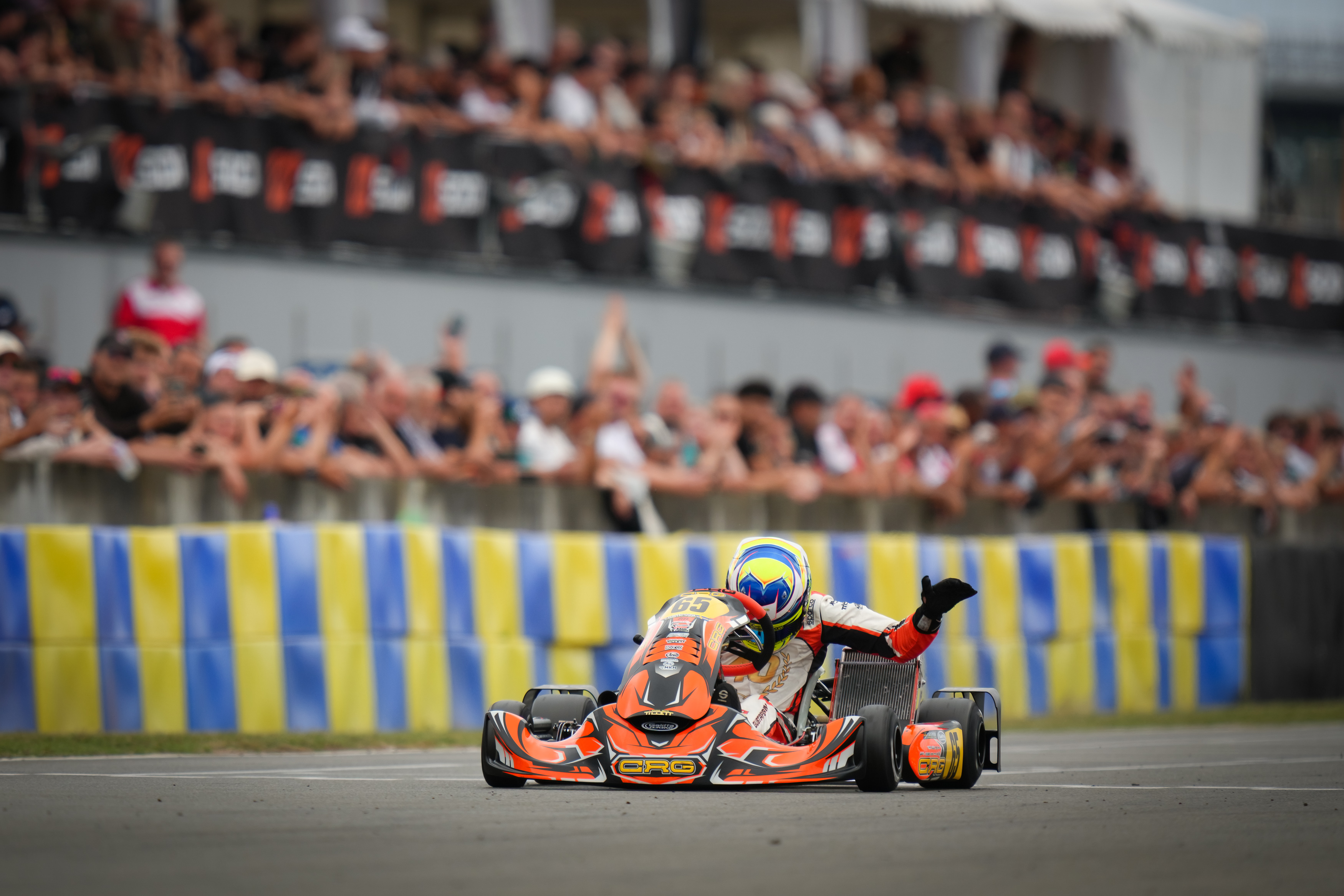 Sport1SportFIAFIA Karting00Sunday, September 20, 2026 - 9:19pmSunday, September 20, 2026 - 9:19pm
 -
FIA President Mohammed Ben Sulayem Meets Lebanese President Joseph Aoun to Discuss Shared Motorsport Priorities
FIA newsMohammed Ben Sulayem, President of the FIA, met with Lebanese President His Excellency Joseph Aoun today after attending the Rally of Lebanon, an event he won four times in a distinguished rally driving career which established him as a sporting ambassador for the Arab world.
The meeting at Baabda Palace provided an opportunity to reflect on the continued success of the event, and Lebanon’s position as a rallying stronghold in the Middle East.
Ben Sulayem accepted an official invitation from the Automobile and Touring Club of Lebanon and President Nabil ‘Billy’ Karam to attend the 48th Rally of Lebanon. The fourth round of this year’s FIA Middle East Rally Championship reached its finish at the ATCL in Kaslik, Jounieh last night (Sunday) with victory going to Lebanon’s Roger Feghali and co-driver Joseph Matar.
“I was pleased to meet with President Aoun and discuss our shared priorities for the future of motorsport,” said FIA President Ben Sulayem.“The Rally of Lebanon provided me with many great memories during my rally driving career, and I’m thrilled to once again experience the excitement this event creates for competitors and the country’s passionate motor sport fans.”
“The event has a rich history embedded in the origins of Middle East motorsport. It is firmly established as the home for asphalt rallying in the region, and plays a key role in our plans to ensure the long-term future of the FIA Middle East Rally Championship.
“Lebanon has always felt like a special place for me, and I want to thank the ATCL and its President, Nabil Karam, for their warm welcome and hospitality. I’m delighted to have met up again with some of the friends I have made at the club, and across the country over the years.”
Ben Sulayem’s legendary rally-driving achievements brought him widespread recognition, and he was awarded the President’s Cup by Lebanese President Amine Gemayel in 1987, and the Medal of Honour from Lebanese President Emile Lahoud in 1999.
Each of his four victories in the Rally of Lebanon, in 1987, 1991, 1998 and 1999, helped him secure the FIA Middle East Rally Championship title, which he won 14 times overall. He achieved the last three of those victories alongside his long-time co-driver Ronan Morgan.
Beyond his success in Middle East rallying, Ben Sulayem recorded his first overseas win in Turkey in 1991, and secured World Rally Championship Group N victories in Spain and Argentina over the following two years. He retired from competitive rallying in 2002.
In July, the FIA announced a landmark long-term commercial rights agreement for the FIA WRC and FIA European Rally Championship, following the acquisition of WRC Promoter GmbH by Cosmobilis and Park Square Capital. Designed to bring significant new investment into the sport, the biggest deal in the history of these championships supported the FIA’s vision under President Ben Sulayem, who said at the time: “Rallying is a huge part of my personal story. It has shaped who I am and how I work, and I am deeply committed to its future.”
ENDS
About the FIA
The Fédération Internationale de l'Automobile (FIA) is the governing body for world motor sport and the federation for mobility organisations globally. It is a non-profit organisation committed to driving innovation and championing safety, sustainability and equality across motor sport and mobility.
Founded in 1904, with offices in Paris, London and Geneva, the FIA brings together 246 Member Organisations across five continents, representing millions of road users, motor sport professionals and volunteers. It develops and enforces regulations for motor sport, including seven FIA World Championships, to ensure worldwide competitions are safe and fair for all.
MembersFIA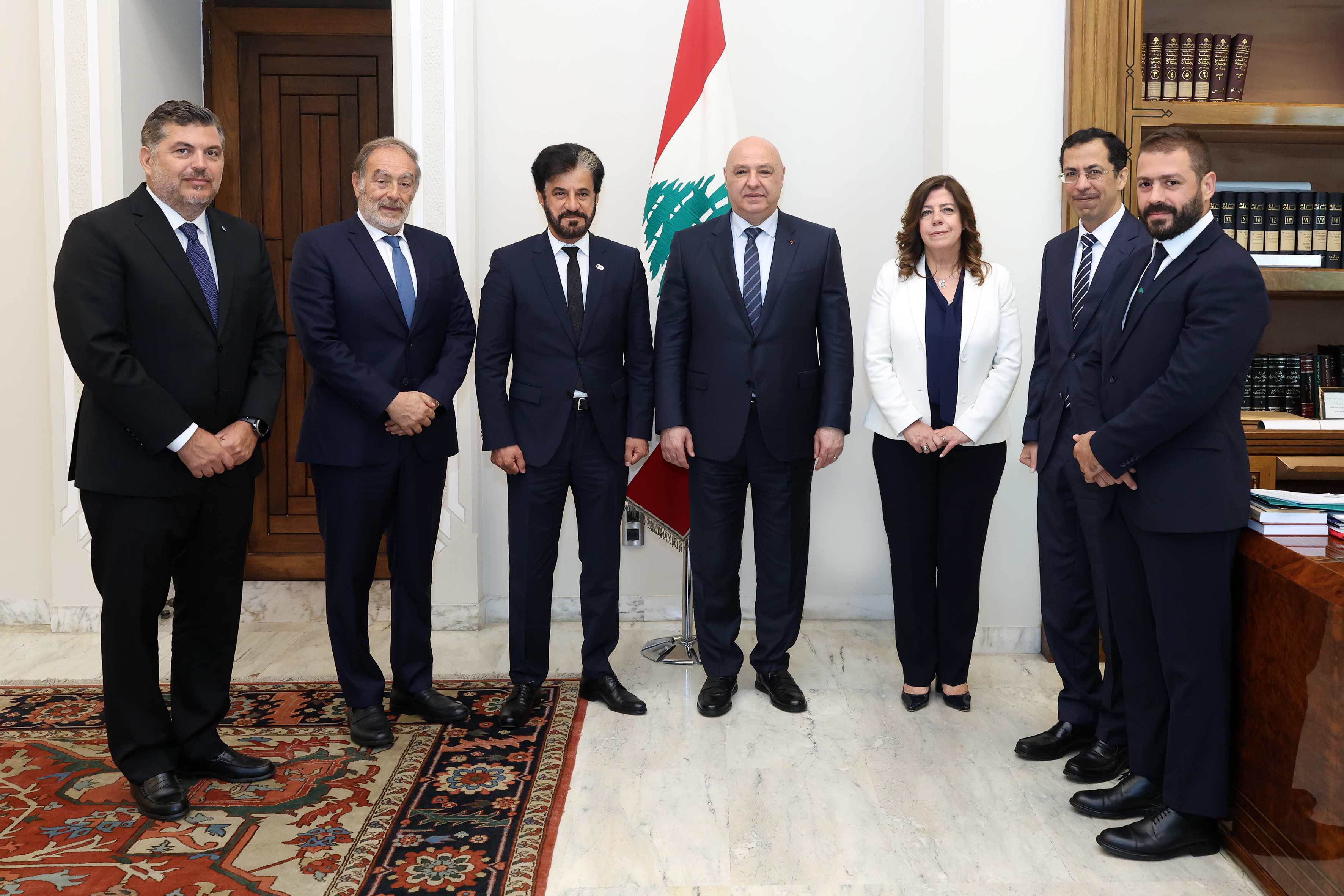 FIA1FIAFIAMembers00Monday, September 14, 2026 - 3:15pmMonday, September 14, 2026 - 3:15pm
 -
Han and Ørnbøll Secure Asia-Pacific Arrive and Drive Titles
Sport newsMacau has again decided the latest motor sport champions as the Circuit of Macau-Coloane hosted the final races of the FIA Karting Arrive and Drive Asia-Pacific Championship today (13 September).
As a result of the weather experienced in Macau earlier today, all track activity was suspended before either of the remaining heats were able to take place for the junior and senior drivers. A restructured timetable therefore allowed only for the junior and senior final to take place today with the starting grid determined by the result of the single heat which took place yesterday afternoon.
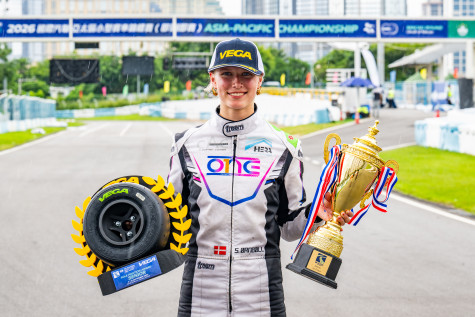
In Senior, an action-packed final saw a four-way tussle for the lead over the race with a nail-biting last lap ending in Amelia Phillips taking the chequered flag but Signe Pejs Ørnbøll promoted to the race and championship win following a front-fairing penalty handed to Phillips.
In Junior, John Han’s strong performance in the final today was intensely challenged by Knox Black in an entertaining final which saw multiple exchanges of the lead. On the final lap Han sealed the race and the championship with a vital overtake which saw him crowned 2026 FIA Karting junior Arrive and Drive Asia-Pacific Champion.
Senior
As a result of his overtake on Signe Pejs Ørnbøll during the heat yesterday afternoon, Andrea Galimberti lined up on pole position with the Danish driver alongside him as the race got underway. Following a brief spell of rain, all drivers were out on wet tyres and facing a dampened track as the race commenced.
Galimberti got out of the blocks well as Ørnbøll struggled in the opening corners to fall back out of the podium positions, allowing local Macanese driver Vernice Si Lun Lao into second position and within a second of the leader.
Ørnbøll made her successful move to recover a podium spot at the expense of Hugo Garroway who fell back into fourth as she began her recovery drive in the wet conditions, she will be familiar with from racing in Denmark. By the fourth lap, Ørnbøll had successfully recovered her second position and took the fight back to Galimberti who now sat just under two seconds ahead.
As the race neared its midpoint Ørnbøll pounced upon Galimberti around the hairpin of turn two to take the race lead. She comfortably held on to the lead as Galimberti’s dominance this weekend began to wane and vulnerabilities in his racing began to emerge.
Lao’s initially positive start stalled to the disappointment of the home crowd as they fell back to eighth position with Conrad Garrow storming past and into the top positions with a gain of nine places in the opening few laps. Garrow’s charge didn’t end there and as Galimberti lost the lead to Ørnbøll, Garrow found his moment to cruise past Galimberti and into second place before thundering towards the rear bumper of Ørnbøll as he briefly took the race lead.
The Danish and Singaporean drivers proceeded to swap the lead multiple times on a track quickly drying providing newfound pace to the leading three drivers who were separated by just 4 tenths of a second. Amelia Phillips, benefitting from the track conditions, then entered the picture and into the podium positions at the expense of Galimberti who had started the race on pole and was now struggling to hold onto a podium finish.
Phillips had qualified in eighth-place before making up two places in the heat yesterday to line up on the third row of the grid this afternoon, unleashing her racing potential when it mattered most this afternoon.
The leading tussle for the championship title only escalated during the closing stages of the race as Ørnbøll, Garrow and Phillips were relentless in their challenge for the win, knowing a place in the FIA Karting history books was at stake here in Macau. Phillips and Ørnbøll, with the pressure mounting on their shoulders, delivered a masterclass in racing as they exchanged the leading position with both drivers utilising every part of the track to their advantage.
In the final lap, Phillips held on to the lead with a gap of just six tenths as the podium drivers began to solidify with Galimberti over four seconds behind the leading pack and facing opposition behind. A last-ditch effort by Ørnbøll to take the win on track was unsuccessful as Phillips took the chequered flag, however a front fairing penalty relegated Phillips to the third step of the podium with Ørnbøll taking the honours and joined by Garrow on the second step.
Ørnbøll will therefore join Kacper Turoboyski as 2026 Arrive and Drive champions after the Polish driver secured the European title earlier this summer. The top 17 finishers here in Macau will qualify for the 2026 Arrive and Drive World Cup later this year, to be held in Malaysia.
Top 5 in the Senior FIA Karting Arrive and Drive Asia-Pacific Championship
1. Signe Pejs Ørnbøll, (DEN)
2. Conrad Garrow (SGP)
3. Amelia Phillips (NZL)
4. Andrea Galimberi (ITA)
5. Seira Kojima (JPN)Junior
As the lights went out for the junior final, 17 laps stood between the 20 drivers and the junior Arrive and Drive Asia-Pacific title. John Han lined up alongside Isaac Yoon on the front row and as we got underway the Hong Kong driver got a lightning start, quickly pulling away from the grid behind as Black banked an early overtake on Yoon to hunt down the early advantage Han had built.
Yoon’s attempt to recover his second position didn’t materialise as the South Korean driver lost places to Bowen and Chong who started to edge towards the podium spots. Meanwhile Kwong, who was looking strong during the qualifying phase yesterday, faced a disastrous start to his race as he fell down the order and out of the top ten.
At the sharp end of the race, Han and Black quickly formed a leading duo as Bowen in third led a train behind him which struggled to match the leading pace. Black sat barely a few tenths of a second behind Han until the eighth lap when Black revealed his hand and made a decisive move on Han which resulted in him leading the race over the main straight of the track.
Han quickly recovered his position, but Black stayed hot on his tail preparing his next strike. Black took a few laps to reset and select his prime opportunity to pounce which he chose on lap 14 when he took the lead around turn four. The lead swapped between the Hong Kong and Australian drivers numerous times in the proceeding lap until the last lap board came out to give Han one more opportunity to seal the deal.
The Hong Kong driver sealed the championship during the final lap, securing four out of four victories this weekend to complete a perfect weekend for the driver who displayed why he is currently leading the FIA Karting Academy Trophy Junior standings.
Black crossed the line in second with Liu Bowen managing to climb four places during the final to complete the junior podium.
Brandor Shor, the Jamaican driver who started in 17th quickly made up nine positions in the opening laps, eventually extending this to challenge for the top five by the midpoint of the race. He crossed the line in eighth place.
Hanzhi Fu also unleashed a burst of race pace this afternoon, starting at the back of the grid and entering the top 10 by the closing stages of the race and crossing the line in seventh position.
John Han therefore took his position atop the podium this afternoon to secure his champion title and his position at the Arrive and Drive World Cup in November. The Hong Kong driver will next month travel to Italy where he will attempt to convert his lead in the FIA Karting Academy Trophy standings into victory as the paddock travels to Viterbo for the FIA Karting World Cup.
Top 5 in the 2026 Junior FIA Karting Arrive and Drive Asia-Pacific Championship
1. John Han (HKG)
2. Knox Black (AUS)
3. Liu Bowen (CHN)
4. Rivaan Dev Preetham (IND)
5. Ka Hei Chong (HKG)FIA Karting will travel to Le Mans next week for the Mondokart.com FIA Karting World Championship (KZ) with all of the action available to watch LIVE and FREE on the FIA Karting YouTube channel
FIA KartingFIA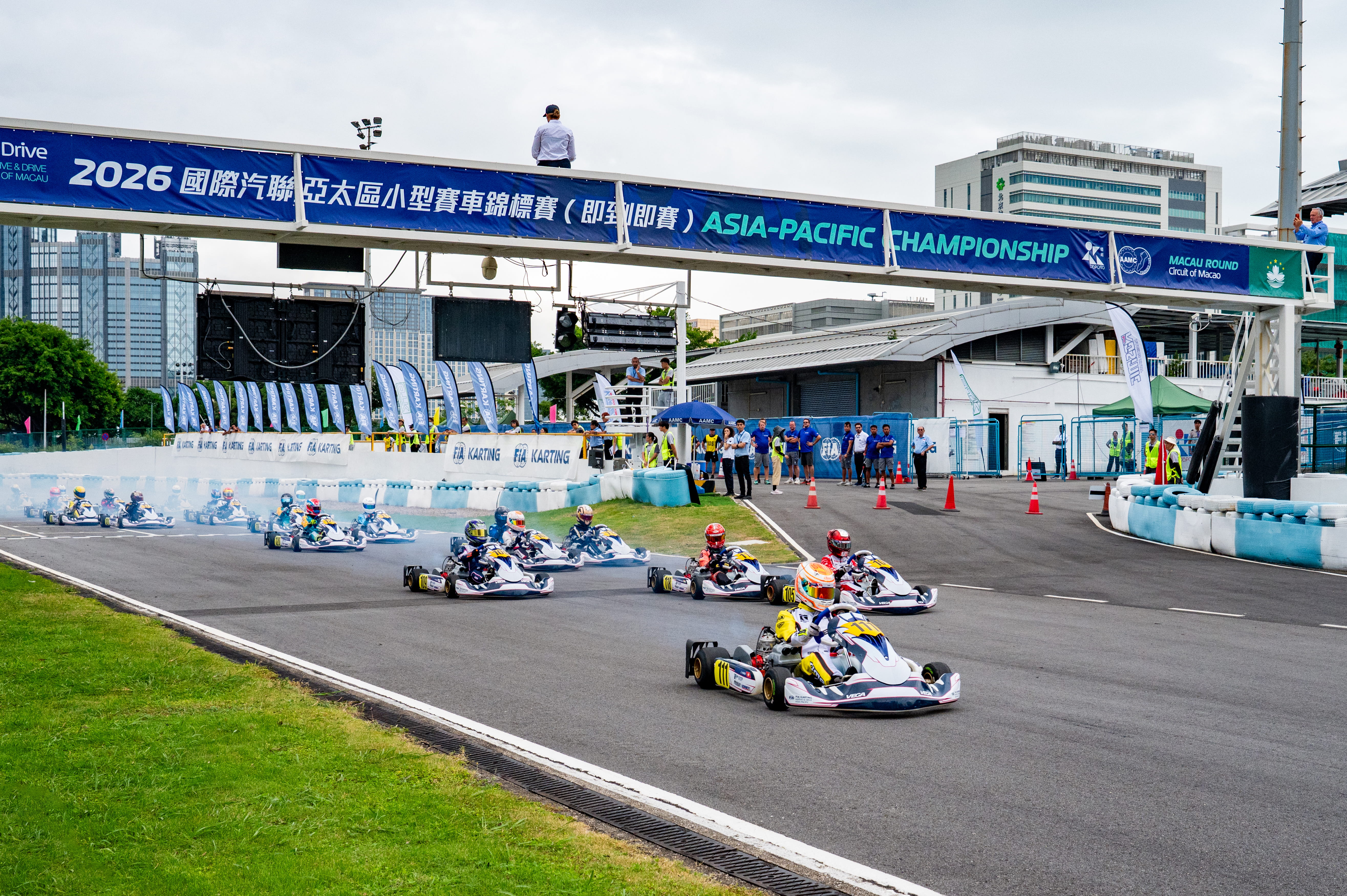 SEASON 2026Sport1SportFIASEASON 2026FIA Karting00Sunday, September 13, 2026 - 1:02pmSunday, September 13, 2026 - 1:02pm
 -
WEC: Ferrari triumphs in Texan thriller as Toyota suffers late heartbreak
Sport newsAntonio Fuoco, Nicklas Nielsen and Miguel Molina, sharing the #50 Ferrari entry, claimed their first victory of the 2026 campaign after a dramatic finale that saw Nyck de Vries, at the wheel of the #7 Toyota, suffer a suspected hydraulic issue while comfortably leading the race with just 11 minutes remaining on the clock.
For the majority of the six-hour contest under the blistering Texan sun – and through sporadic showers – it was the joint championship-leading Toyota GR010 Hybrid of Nyck de Vries, Kamui Kobayashi and Mike Conway that looked set to prevail, courtesy most notably of a show-stopping performance by the Dutchman.
It seemed the Japanese manufacturer was finally set to conquer COTA – one of only four circuits in FIA WEC history at which it had never won – but fate had other ideas. With barely ten minutes left on the clock and an advantage of six seconds over the pursuing Ferrari, de Vries was forced into retirement by a hydraulic pressure issue.
Like a number of its Hypercar rivals, the #50 scarlet machine – piloted by Miguel Molina, Antonio Fuoco and Nicklas Nielsen – adopted an offset strategy, with the Spaniard moving from fifth up to third in the opening stages and surviving contact with André Lotterer's Genesis before peeling into the pits for an early first stop at the 50-minute mark.
In front of almost 70,000 trackside fans, that tactical decision catapulted the car to the head of the order, and both Molina and subsequently Nielsen dug deep during their respective stints behind the wheel to keep the #8 Toyota at bay. In a race punctuated by two Safety Car periods and three Full Course Yellow interventions, Fuoco maintained the momentum in the middle phase before ceding the cockpit back to Nielsen for the final hour.
The Dane took advantage of a delay in traffic for Alpine Endurance Team's Charles Milesi to climb from third to second, before inheriting the lead when de Vries ran into trouble. The #50 trio's third consecutive podium finish at COTA – having taken the chequered flag in third in 2024 and second in 2025 – ended Ferrari's longest-ever barren streak in the series as the Prancing Horse celebrated its maiden success of the 2026 campaign.
"I'm really happy," enthused Molina, who, like team-mates Fuoco and Nielsen, had not stood atop the highest step of the FIA WEC podium since last year's season-opening Qatar contest. "We've been working really hard behind the scenes to try to get back to this position and we did a really good race with no mistakes. In the end, it was our day, so big thanks to the team. Now, we need to take this momentum forward with us!"
Having started from the front row of the grid, the #38 Cadillac Hertz Team JOTA V-Series.R of Jack Aitken, Sébastien Bourdais and Earl Bamber was a consistent contender on its way to claiming the runner-up spoils. The crew benefitted from a late penalty for the #35 Alpine due to an unsafe pit-stop release that dropped Milesi, António Félix da Costa and Ferdinand Habsburg to third – a result that nonetheless represented Les Bleus' first podium appearance of the season.
Aston Martin's Valkyrie Hypercar matched its best FIA WEC result to date with a fourth-place finish in the hands of British duo Harry Tincknell and Tom Gamble, ahead of the second Alpine, whose bid for glory was undone by the timing of the final neutralisation, prompting a stirring fightback by standout endurance racing rookie Victor Martins.
Sébastien Buemi similarly unleashed a late charge to rise to sixth in the #8 Toyota, followed by the #17 Genesis – marking the South Korean manufacturer's best finish thus far despite Lotterer's early error – the #15 BMW, the #12 Cadillac and the #94 Peugeot.
In the context of the wider title battle, with neither the #7 Toyota nor the #20 BMW scoring points, there remains nothing to separate de Vries, Kobayashi and Conway from René Rast and Robin Frijns at the summit of the Drivers' World Championship standings, while Ferrari's victory has turned the Manufacturers' contest into a three-way fight at the top.
In the LMGT3 class, the #27 Heart of Racing Aston Martin secured its second victory at COTA in three years as Ian James, Zacharie Robichon and Mattia Drudi triumphed over the Manthey DKR Porsche crew of James Cottingham, Ayhancan Güven and Timur Boguslavskiy.
The season will continue with round six of eight, the 6 Hours of Fuji in Japan, on 25–27 September.
FIA Karting World ChampionshipWECEnduranceLone Star Le MansWEC SEASON 2026SportCircuit1SportFIA Karting World ChampionshipCircuitWECSEASON 2026WECEnduranceLone Star Le Mans00Monday, September 7, 2026 - 3:48amMonday, September 7, 2026 - 3:48am
 -
WEC: Giovinazzi takes Texas pole in closest-ever qualifying
Sport newsWhen Giovinazzi displaced Cadillac Hertz Team JOTA’s Jack Aitken to vault to the head of the order behind the wheel of the #51 car he shares with fellow defending world champions James Calado and Alessandro Pier Guidi, the job looked to be done – but Aitken was not yet finished.
Digging deep, the Briton matched his Italian rival’s pace-setting effort to the thousandth of a second, but with Giovinazzi having posted the time first, it is the Ferrari that will line up on pole, with Aitken’s #38 Cadillac V-Series.R alongside, setting the scene for a sensational scrap for supremacy.
Underscoring the fiercely close nature of the ten-minute shootout, Charles Milesi snatched third in the #35 Alpine Endurance Team A424, a mere 0.029s adrift of the benchmark time, with Harry Tincknell next up in Aston Martin THOR Team’s #007 Valkyrie.
The five hundredths of a second that separated the top four Hypercars – all fielded by different manufacturers – represents the closest gap in the championship’s 106 events to date, eclipsing the previous record set at Imola in April.
In LMGT3, meanwhile, Aston Martin outfit Heart of Racing Team locked out the front row of the grid, as Eduardo Barrichello secured the British marque’s third consecutive pole position in the championship and his third pole from four Hyperpole appearances in FIA WEC, an unrivalled achievement in the fiercely contested production-based category.
Lone Star Le Mans will get underway at 13:00 local time (GMT-5) on Sunday, 6 September.
World Endurance ChampionshipWECEnduranceLone Star Le MansWEC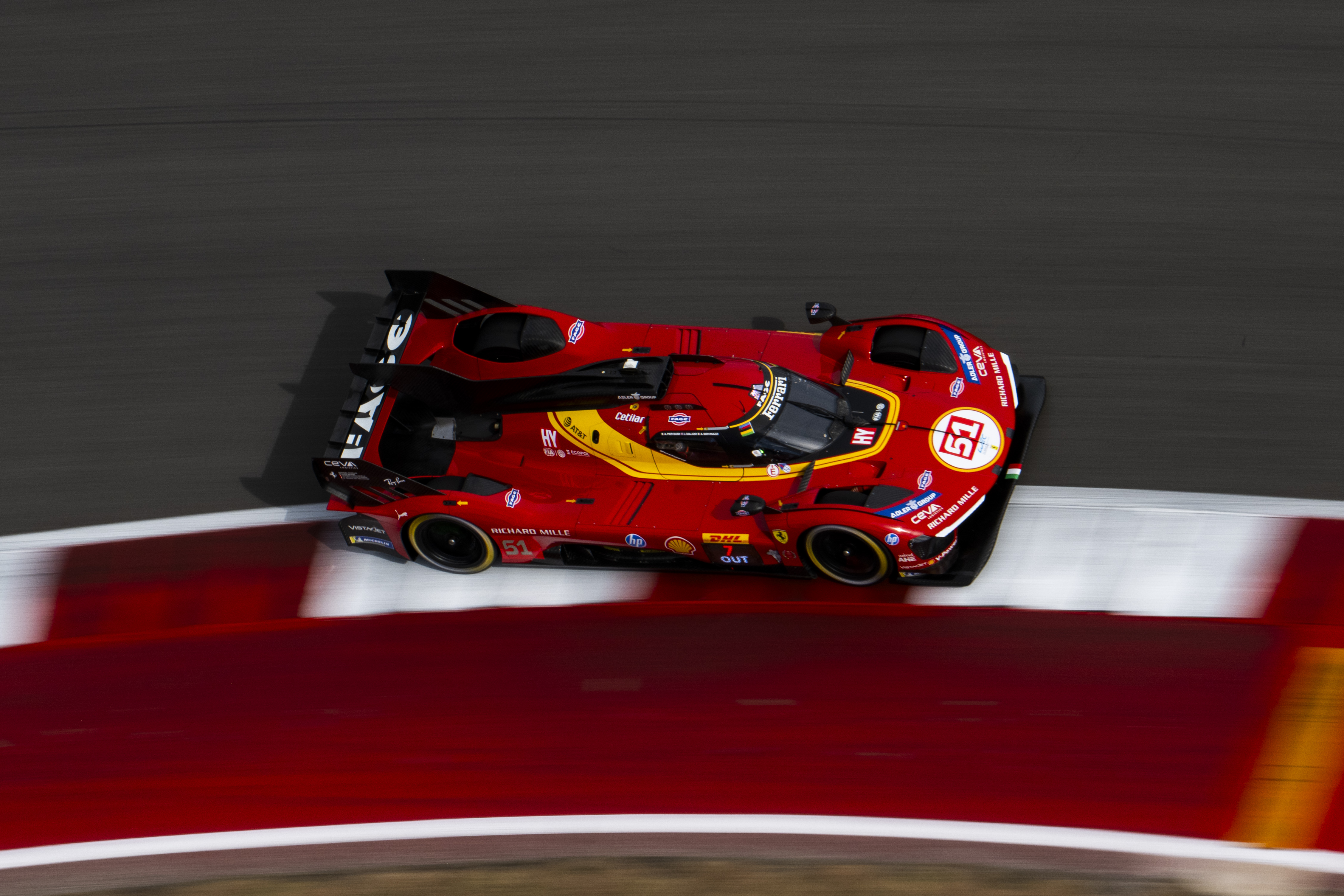 SEASON 2026SportCircuit1SportWorld Endurance ChampionshipCircuitWECSEASON 2026WECEnduranceLone Star Le Mans00Sunday, September 6, 2026 - 1:46amSunday, September 6, 2026 - 1:46am